

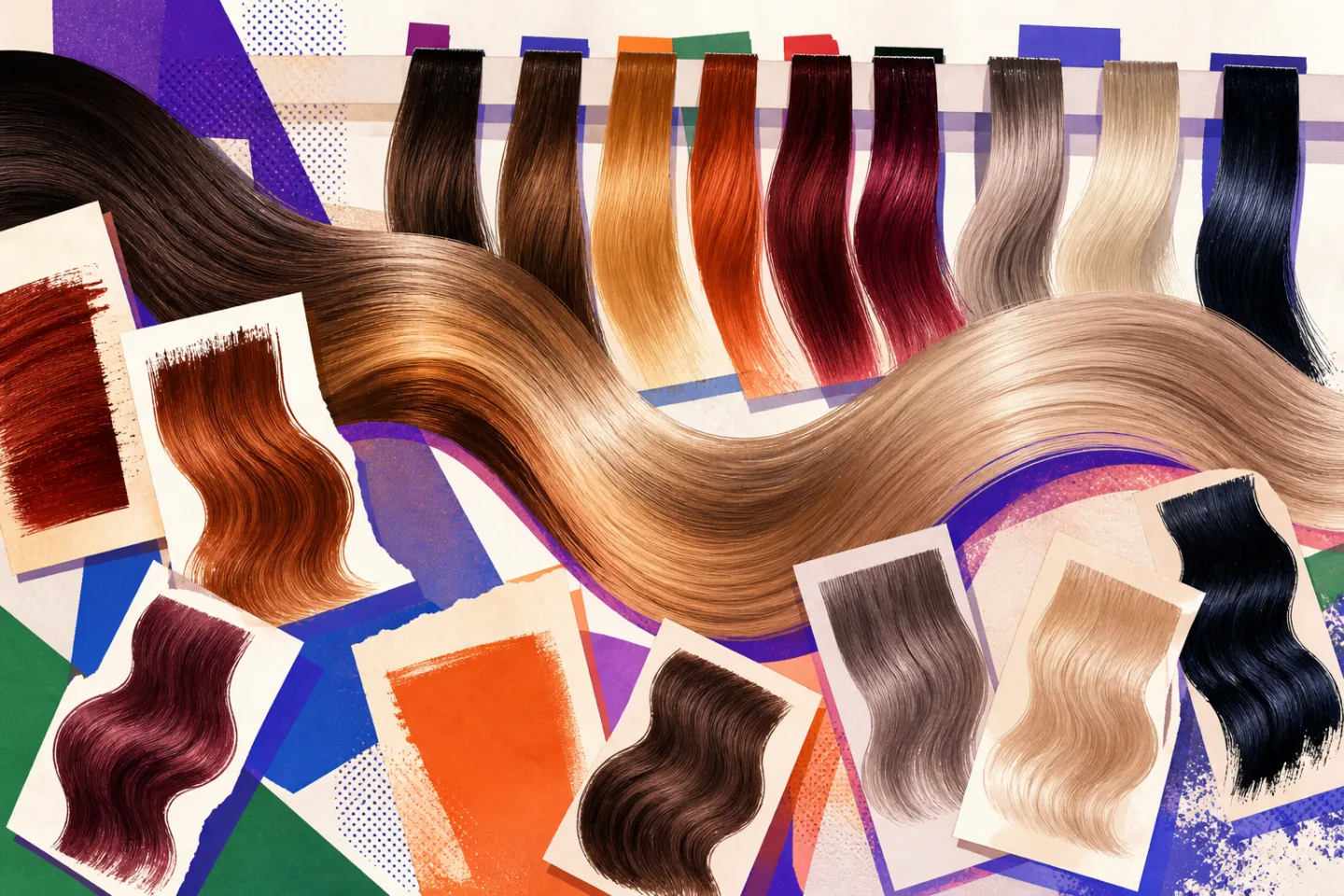
2025 Hair Colour Trends for Women
The most useful hair colour ideas for 2025 favour depth, deliberate placement and a softer line as the hair grows. Warm blondes, dimensional brunettes, copper reds and restrained cool tones can all work, but the right choice depends less on a trend name than on your starting colour, hair condition and appetite for upkeep.
Use trend coverage as a visual reference, not a promise that one formula suits everyone. The strongest 2025 hair color trend forecasts share a practical theme: colour looks richer when the natural base remains part of the result. Before choosing a shade, decide how light or dark you want to go, how visible you want regrowth to be and whether your hair can tolerate lightening.
Start With Your Natural Base
A photograph can show a colour direction, but it cannot show the work needed to reach it from your hair. Natural dark brown hair, previously dyed black hair and untreated dark blonde hair may require very different processes to achieve the same beige blonde finish. Existing permanent colour can also limit how evenly the hair lightens.
Tell your colourist about previous dyes, lighteners, smoothing treatments and colour-depositing products. Ask for a strand test before a major change, particularly if the hair is fragile, very dark or repeatedly coloured. The test can reveal likely lift, tone and condition without committing the whole head.
Skin undertone can help narrow the options, although it is not a rigid rule. Golden, peach or olive complexions often sit comfortably beside honey, caramel, chestnut and copper. Pink or blue-leaning complexions may suit mushroom brown, beige blonde, burgundy or neutral black. Balanced undertones can usually move between warm and cool shades by adjusting depth and contrast. Existing skin-tone hair-color selection guidance is best used as a starting point alongside fabric swatches, daylight photographs and personal preference.
Warm Blonde Without a Harsh Root
Honey beige blonde mixes soft gold with sandy beige. It gives dark blonde and light brown bases visible brightness without the starkness of platinum. Fine highlights through the surface and ends preserve darker pieces underneath, while a root shadow keeps the transition from natural colour to blonde gradual.
Buttery blonde uses pale gold and cream rather than a strongly yellow tone. Narrow ribbons around the hairline can brighten the face, with slightly deeper blonde through the interior for shape. If the starting hair is medium brown, ask what degree of lightness is realistic in one session; a warmer, deeper result may protect condition better than forcing a very pale finish.
Strawberry blonde sits between gold and copper. A subtle version can be created with a warm gloss over dark blonde or light copper hair, while a brighter version may need highlights first. Because red tones can fade visibly, choose this direction only if you are comfortable refreshing the tone when it loses its peach or copper cast.
Brunette Shades With Visible Dimension
Espresso brown should look deep rather than flat. Subtle mocha or neutral-brown pieces through the mid-lengths allow light to reveal movement without creating obvious stripes. On naturally dark hair, a tinted gloss may be enough to adjust the reflection; lighter highlights are not essential.
Chestnut combines a brown base with restrained copper and golden warmth. It is a useful bridge for brunettes who want red tones without becoming fully copper. Keeping the root close to the natural depth and placing warmth below the cheekbones makes regrowth less conspicuous.
Caramel contours concentrate light around the hairline and upper layers. The effect comes from placement, not from covering the whole head with foils. Ask for narrow pieces that are only moderately lighter than the base, with enough dark hair left between them to preserve contrast. This approach can brighten a brunette while keeping the overall identity of the colour intact.
Copper, Auburn and Dark Cherry
Copper works at several depths. On lighter bases it can appear peachy or golden; on medium brown hair it becomes burnished and more subdued. A deeper root and varied copper-brown pieces prevent a single, solid orange result. Muted auburn is quieter, combining chestnut, cinnamon and soft red for a shade that still reads as brunette in low light.
Dark cherry places red or violet reflection over a deep brown base. It can look nearly brunette indoors and more colourful in daylight, which makes it a measured way to try red. Dark cherry and other red hair looks of 2025 can provide reference images, but bring examples showing both indoor and outdoor light so the intended strength of the red is clear.
Red pigments often show fading sooner than neutral browns. Ask whether a demi-permanent gloss can achieve the effect before choosing permanent colour, especially if you may want to return to a cooler brunette later.
Cool Tones That Still Have Depth
Mushroom brown blends taupe, beige and ash-brown pieces over a medium brown base. The aim is neutral, smoky dimension, not a uniform grey cast. Fine low-contrast highlights and a beige-ash gloss usually look softer than broad pale sections.
Icy beige blonde retains a small amount of beige warmth, so it appears softer than white platinum. It still requires the hair to reach a pale base, which may be unsuitable for damaged lengths or difficult to achieve over old dark dye. A cool shadow root can reduce the contrast of regrowth without changing the pale ends.
Glossy black can be neutral or blue-leaning. It is easiest to maintain on naturally dark hair, but permanent black dye is difficult to remove cleanly. If you are testing the look, discuss a less permanent glaze and how it may affect any future lightening plans.
Placement Matters as Much as Shade
Lived-In Balayage
Lived-in balayage leaves the natural base visible near the scalp and places lightness through the mid-lengths, perimeter and ends. Irregular, finely painted sections create a gentler grow-out than evenly spaced light pieces from root to tip. It suits beige blonde, caramel, honey and muted copper, provided the final tone has enough contrast to remain visible against the base.
Face-Framing Pieces
Face-framing colour uses a limited number of brighter sections around the front hairline. A narrow ribbon gives subtle lift; a broad, very pale panel produces a much stronger contrast and a clearer regrowth line. Ask to see the proposed width before lightener is applied. A root-smudged front section can keep the brightness while softening the line at the scalp.
Rooted Colour Melts
A colour melt moves gradually from a deeper root into lighter or warmer lengths. It can connect dark roots with blonde, caramel, copper or bronde ends without leaving a separate dark band. The root shade need not exactly match your natural colour, but it should blend with both the new tone and future growth.
Plan the Result Before Colouring
Bring two or three reference photographs with similar starting depth and hair texture to yours. Include one example you dislike and explain why. Words such as warm, natural or low-maintenance can mean different things, while a photograph helps define brightness, contrast and placement.
Ask the colourist to explain:
- which parts of the hair will be lightened, darkened or glazed;
- whether the target is realistic without compromising weakened areas;
- how the colour is expected to fade and how regrowth will look;
- which parts can be refreshed without repeating the full process.
If grey blending is the goal, say whether you want complete coverage or a softer mix of grey and coloured strands. Fine highlights and lowlights can blur the contrast, while opaque root colour creates a clearer line as new hair grows.
Keep Coloured Hair Looking Deliberate
Wash according to your scalp and hair type rather than following a fixed schedule. Use lukewarm water, apply shampoo mainly at the roots and condition the mid-lengths and ends. A colour-depositing cleanser can correct unwanted yellow or orange tones, but overuse may leave porous hair dull or tinted, so introduce it only when the shift becomes visible.
Heat can make dry, lightened ends look rough and can speed the visible loss of delicate tones. Apply heat protection before blow-drying or using hot tools, and use the lowest effective temperature. Reducing repeated passes over the same section is more useful than relying on an occasional intensive mask after damage has occurred.
Judge maintenance by what changes first. Blonde may need tonal correction while the root still looks acceptable; red may retain depth but lose brightness; brunette may keep its colour yet lose surface shine. Refresh only the element that has changed. This preserves the placement, limits unnecessary processing and keeps the chosen shade connected to the natural base.